
Is a Community Manager Career Right for You? The Pros & Cons
Community management is not a soft role. It is not easy. And it is not for people who want to hide.

If you’re considering community management, you’re probably feeling a mix of excitement and doubt.
You might see people calling it “fun” or “easy”, while others say it’s invisible, exhausting, or underpaid.
Both can be true.
Before you commit to this career path, here’s the honest picture
The Pros
1. You can have real strategic impact & leadership
When done properly, community is not a “nice to have.”
It shapes retention, product decisions, loyalty, and growth.
You influence how people experience a brand, product or service. Directly effecting sales and retention.
2. You develop rare, high-value skills
Community touches almost every part of a business.
You build experience in:
- strategy & systems thinking
- engagement design
- research & insight
- communication & influence
- conflict resolution
- metrics & reporting
- stakeholder management
These skills transfer far beyond community and can take you into other leadership roles.
3. You see the direct impact of your work
You don’t just ship something and hope it worked.
You see:
- people grow
- behaviours change
- culture shift
- trust build
That feedback loop is powerful.
4. You work across the business
Community sits between:
- product
- marketing
- support
- leadership
You gain visibility into how organisations actually work.
5. There is long-term career potential
With the right positioning, community can lead to:
- senior roles
- leadership
- product strategy
- experience design
- operations
- consulting
It doesn’t have to be a dead end.
6. You build something that lasts
Communities grow over time. You’re not just chasing short-term metrics.
That sense of ownership is rare.
7. Your work feels meaningful
People feel heard because of you.
They feel connected because of you.
They stay because of you.
The members will acknowledge this, and often praise you.
The Cons
1. You will often be misunderstood
Many companies still see community as:
- customer support
- social media
- “vibes”
You may have to fight to be taken seriously. But it won't always be this way.
2. Emotional labour is part of the job
You handle:
- conflict
- frustration
- entitlement
- crisis moments
This can be draining if you don’t protect your energy.
3. The boundaries can be blurry
Communities don’t run 9–5.
There can be pressure to always be “on.”
Without structure, burnout is real.
4. Your responsibilities can become too broad
Some roles expect one person to:
- manage platforms
- run events
- write content
- report metrics
- support users
- design strategy
And even expect you to do social media, which should be a separate role in itself.
Without clarity, you can become overextended fast.
5. Impact takes time
You may not see results for months.
This can feel discouraging in fast-paced environments. You need to be able to set realistic expectations with your colleagues, and yourself.
6. Progress is not always visible
Your wins can be quiet:
- fewer complaints
- stronger trust
- healthier culture
These aren’t always celebrated, even when they’re critical. You will need to learn how to highlight them.
7. Pay varies wildly
Some organisations invest properly.
Others don’t.
Your salary often reflects how well the company understands community, not how valuable you actually are.
8. You may need to advocate for yourself
Career growth in community rarely “just happens.”
You often have to:
- define your value
- show your impact
- claim your space
That takes confidence and clarity.
So… is it worth it?
Community management is not a soft role. It is not easy.
And it is not for people who want to hide.
But if you care about people and systems,
if you want to influence how organisations grow,
and if you’re willing to claim your value,
this career can be very rewarding!
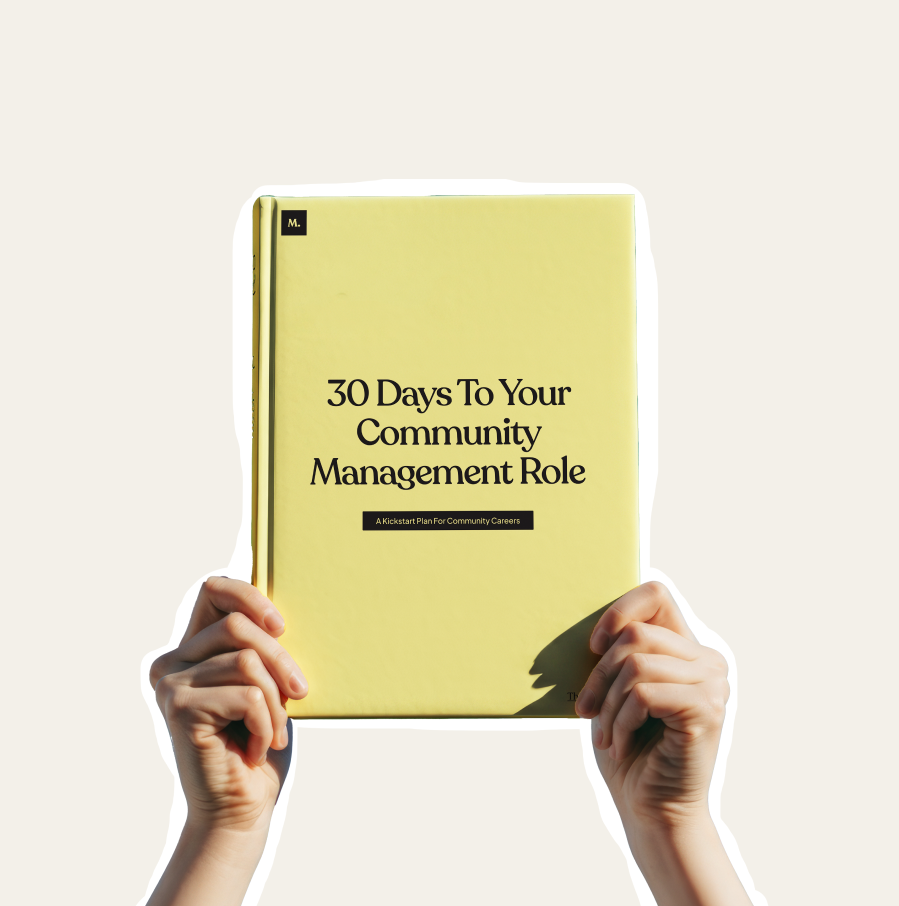
Get the 30-Day To Your Community Management Role, a free step-by-step guide to help you grow your career starting this month.
AND free training!
💬 And if you want personalized support, feedback, or help applying these steps to your situation, book a free personal guidance chat